
The global appetite for seafood is insatiable. From the delicate brine of a freshly shucked oyster to the rich, buttery texture of sushi-grade tuna, consumers worldwide are demanding raw and minimally processed seafood products that deliver an authentic taste of the ocean. This burgeoning demand, however, is paralleled by a growing awareness of the inherent risks associated with these delicacies. The modern consumer is more informed and more cautious than ever before, creating a critical challenge for the seafood industry.
Food safety concerns are paramount. Pathogens such as Vibrio vulnificus and Vibrio parahaemolyticus in oysters, Listeria monocytogenes in smoked fish, and other bacteria in crab, shrimp, and raw fish products pose significant health risks and can lead to devastating product recalls, brand damage, and loss of consumer trust. Compounding this challenge are the logistical hurdles of a global supply chain. The notoriously short shelf life of fresh seafood restricts market reach, often forcing producers to rely on expensive air freight or limiting them to local distribution. This severely curtails the export potential for high-value products.
For seafood processors, these pain points—ensuring safety, preserving quality, and extending shelf life—have become the defining challenges of our time. But what if there was a technology that could solve all three simultaneously?
Enter High Pressure Processing (HPP). This revolutionary, non-thermal technology is reshaping the landscape of seafood processing. As a leading innovator in this field, HiLock is providing seafood businesses with the tools to overcome these industry-wide challenges. Our state-of-the-art HPP systems offer a scientifically validated method to guarantee food safety, dramatically extend shelf life, and preserve the pristine quality of seafood, unlocking new markets and securing consumer confidence. This is not just an incremental improvement; it is a seafood safety revolution.
What Is High Pressure Processing (HPP) and How Does It Work?
High Pressure Processing, often referred to as HPP or cold pasteurization, is a cutting-edge food processing method that utilizes immense pressure instead of heat to ensure food safety and extend shelf life. The technology is remarkably elegant in its approach, harnessing the power of pure physics to achieve what was once only possible with heat or chemical preservatives.
The HPP Process: A Glimpse Inside a HiLock System
1. Packaging: The seafood product is first sealed in its final, flexible, water-resistant packaging. This could be a vacuum-sealed pouch, a plastic tub, or a skin pack. This step is crucial, as HPP is a post-packaging treatment, eliminating any risk of recontamination.
2. Loading: The packaged products are placed into a carrier basket, which is then loaded into the HiLock HPP vessel—a robust, high-tensile steel chamber.
3. Pressurization: The vessel is filled with cold water, and powerful pumps inject more water, rapidly building up immense isostatic pressure. Isostatic means the pressure is applied uniformly and instantly from all directions on the product.
4. Holding: This pressure is held at levels up to $6,000 \text{ bar}$ (or $600 \text{ MPa}$, equivalent to nearly $87,000 \text{ psi}$) for a specific period, typically just a few minutes. To put this in perspective, this pressure is about six times greater than the pressure at the deepest point in the ocean, the Mariana Trench.
5. Decompression: The pressure is released, and the baskets are unloaded. The product is now pasteurized, safer, and ready for distribution with a significantly longer shelf life.
How Pressure Inactivates Pathogens Without Heat
The magic of HPP lies in its effect at a cellular level. The immense pressure physically disrupts the cellular functions of harmful microorganisms like bacteria, viruses, molds, and yeasts. It compromises their cell membranes, denatures key enzymes necessary for their survival, and damages their reproductive mechanisms. This effectively neutralizes pathogens like Vibrio, Listeria, Salmonella, and E. coli without breaking the covalent bonds that define a food’s flavor, color, and nutritional profile.
Unlike thermal pasteurization, which “cooks” the product and alters its sensory and nutritional characteristics, HPP is a non-thermal process. It does not introduce heat, which is why it is the ideal method for preserving the delicate textures and fresh flavors of premium seafood. The result is a product that is as safe as a cooked one but with the quality and appeal of a raw, fresh-caught item. For the discerning seafood consumer, this is the best of both worlds.
Key Benefits of HPP for Seafood Processors
For seafood businesses navigating the complexities of safety regulations, consumer expectations, and global logistics, adopting High Pressure Processing is a strategic decision that delivers a powerful competitive advantage. HiLock’s HPP technology provides a suite of tangible benefits that directly address the industry’s most pressing needs.
Unparalleled Food Safety
Food safety is non-negotiable. HPP serves as a validated “kill step,” providing a level of safety that is difficult and often impossible to achieve with traditional methods for raw and minimally processed seafood.
● Elimination of Key Pathogens: HPP is scientifically proven to be highly effective against the most dangerous seafood-borne pathogens. It achieves significant log reductions of Vibrio vulnificus and Vibrio parahaemolyticus in oysters, making them safe for raw consumption. It also effectively neutralizes Listeria monocytogenes in ready-to-eat products like smoked salmon and crabmeat, a critical intervention for preventing recalls. The process is equally effective against Salmonella, E. coli, and noroviruses.
Dramatic Shelf Life Extension
The ability to extend shelf life transforms a company’s entire business model, turning logistical nightmares into strategic opportunities.
● From Days to Weeks: HPP significantly slows the growth of spoilage microorganisms, extending the refrigerated shelf life of fresh seafood from a mere 3-5 days to an impressive 21-45 days, depending on the product and packaging.
● Enabling Global Exports: This extension makes it possible to switch from costly, time-sensitive air freight to more economical sea freight for long-distance exports. A seafood processor in North America can now confidently ship fresh, HPP-treated products to premium markets in Europe and Asia, knowing they will arrive safe and with ample shelf life for distribution and sale.
Superior Quality Retention
Consumers buy premium seafood for its taste, texture, and nutritional value. HPP is the only pasteurization technology that preserves these attributes in their natural state.
● Intact Flavor and Texture: Because HPP does not use heat, it does not cook the product. The delicate, briny flavor of an oyster, the firm succulence of lobster meat, and the vibrant color of tuna are all preserved. The pressure can even enhance texture by firming up muscle proteins.
● Nutrient Preservation: Unlike heat-based methods that can degrade vitamins and delicate fats, HPP keeps the nutritional profile of the seafood intact. Essential nutrients like omega-3 fatty acids, vitamins, and minerals remain, allowing for clean-label products with strong health claims.
Value-Added Processing and Labor Reduction
HPP is more than a safety and preservation tool; it’s a processing aid that can revolutionize production efficiency and yield.
● Pressure-Assisted Shucking: For mollusks like oysters, clams, and mussels, HPP denatures the adductor muscle that holds the shell shut. This causes the shell to gape, allowing for effortless, tool-free shucking. This drastically reduces manual labor costs, eliminates the risk of hand injuries from shucking knives, and prevents shell fragments from contaminating the meat.
● Improved Meat Yield: For crustaceans like lobster and crab, HPP detaches the meat from the shell. This allows for nearly 100% extraction of the meat from claws, knuckles, and legs in whole, intact pieces. Manual extraction is labor-intensive and leaves significant valuable meat behind. HPP maximizes yield, directly boosting profitability.
Proactive Regulatory Compliance
In a global market, meeting diverse and stringent food safety standards is essential for market access.
● Meeting and Exceeding Standards: HPP is recognized by regulatory bodies worldwide, including the U.S. Food and Drug Administration (FDA) and the European Food Safety Authority (EFSA). The FDA, for example, views HPP as a highly effective post-lethality treatment for controlling Vibrio in oysters and Listeria in RTE foods. Adopting HiLock’s HPP technology helps businesses proactively comply with these standards, reducing the risk of import rejections, regulatory actions, and costly recalls.

Applications Across the Seafood Industry
The versatility of High Pressure Processing makes it a transformative technology for a wide array of seafood products. From shellfish to finfish, HPP enhances safety and quality, creating new product categories and expanding market opportunities. HiLock works with processors to optimize HPP protocols for their specific needs, unlocking the full potential of this technology across the industry.
Raw and Half-Shell Oysters
Oysters represent the quintessential HPP success story. Traditionally, raw oysters carried a significant risk of Vibrio contamination. HPP completely changes this reality.
● Safety: The process inactivates Vibrio pathogens to levels well below the FDA’s limit of detection, creating a product that can be safely enjoyed raw by all consumers, including those who are immunocompromised.
● Ease of Shucking: As mentioned, HPP detaches the oyster meat from the shell. This allows processors to sell pre-shucked, raw oyster meat in tubs or HPP-treated oysters on the half-shell that are guaranteed safe and easy for the end-user to open. This has revitalized the raw oyster market, particularly in regions where Vibrio is a persistent concern.
Lobster and Crab Meat
The manual extraction of lobster and crab meat is a major bottleneck in processing, characterized by high labor costs and incomplete yields. HPP provides a powerful solution.
● Maximized Yield: By applying pressure, the protein connection between the meat and the shell is broken. The raw meat slides out of the claws, legs, and body cavity cleanly and completely. Processors regularly report yields approaching 100%, a dramatic increase over manual picking. The resulting product—whole, intact claw and leg meat—commands a premium price.
● Enhanced Quality and Shelf Life: The HPP-treated raw lobster and crab meat retains its sweet flavor and firm texture. With an extended refrigerated shelf life, this high-value product can be shipped fresh to restaurants and retailers around the world.
Smoked and Ready-to-Eat (RTE) Seafood
Ready-to-eat seafood products like cold-smoked salmon, fish pâtés, and ceviche are highly susceptible to post-processing contamination with Listeria monocytogenes.
● Post-Packaging Intervention: Since HPP is applied to the final sealed package, it eliminates any pathogens introduced during slicing, handling, or packaging. This provides a final guarantee of safety before the product reaches the consumer, dramatically reducing the risk of recalls that have historically plagued the smoked fish industry. The taste and delicate texture of the smoked fish remain unaltered.
Sushi-Grade Fish and Value-Added Products
The global demand for sushi and sashimi requires fish of the highest quality and safety. HPP allows processors to meet this demand on a global scale.
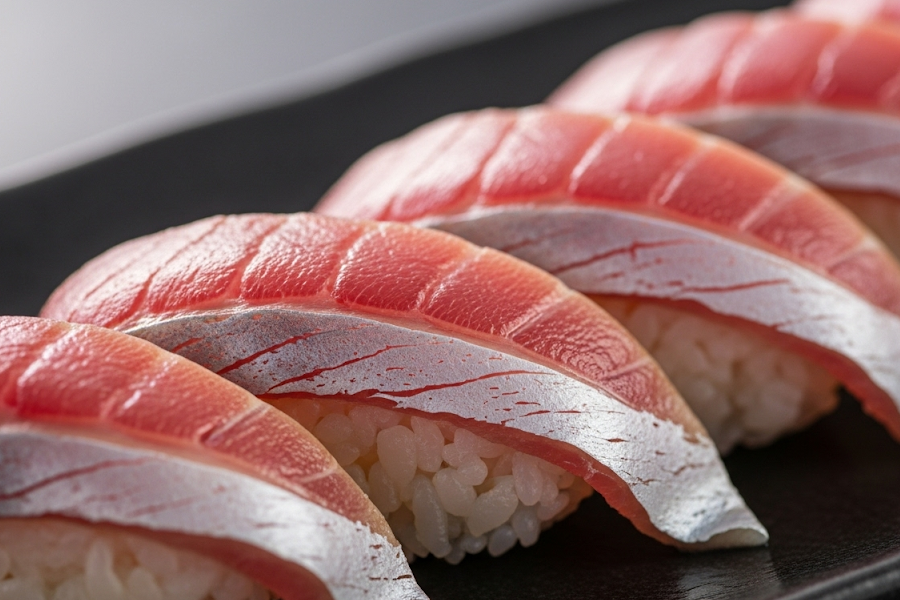
● Exporting Fresh Quality: HPP can be applied to raw, sushi-grade tuna and salmon loins. The process ensures safety by eliminating surface pathogens and extends shelf life without cooking the fish. This allows producers in prime fishing regions to export fresh, sashimi-quality fish to international markets like Japan, the EU, and the US, preserving its pristine raw characteristics for discerning consumers.
● New Product Innovations: HPP also enables the creation of innovative, value-added products like ready-to-eat poke bowls, ceviche kits, and seafood salads with clean labels (no chemical preservatives) and the assurance of safety.
How to Get Started with HiLock HPP
HiLock offers flexible pathways for businesses to adopt HPP:
- Invest in HiLock HPP Systems: For processors seeking in-house control and scalability.
- Use HiLock-Partnered Toll Processing Services: Ideal for small and mid-sized companies to test and scale without heavy capital investment.
- Pilot Testing and Consultation: HiLock provides R&D services to help companies validate their products, packaging, and processes for HPP compatibility.
Conclusion: The Future of Seafood Is Under Pressure
Seafood safety and freshness no longer have to be a trade-off. With HiLock’s High Pressure Processing solutions, seafood businesses can eliminate pathogens, extend shelf life, preserve natural quality, and access global markets — all while reducing waste and boosting profitability.
Ready to transform your seafood processing operation?
Contact HiLock today to schedule a consultation and see how HPP can revolutionize your business.